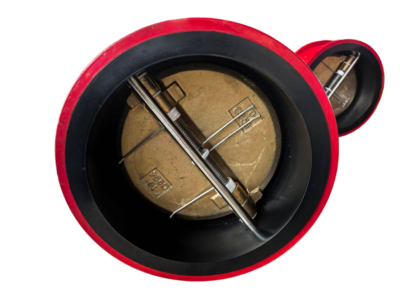
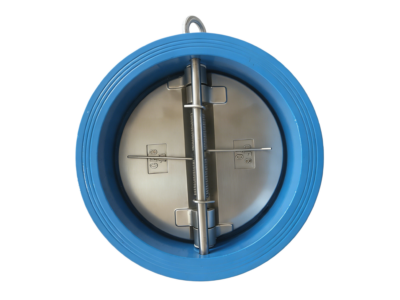
1″-150LB Closed Die Forged Lifting Check Valve
Description
Piston Lift Check Valve Technical Data Sheet (API 602)
1. Product Overview
Product Type: Piston Lift Check Valve
Connection Type: Flanged Ends (RF / RTJ)
Bonnet Type: Bolted Bonnet
Design Standard: API 602 (ISO 15761)
Nominal Size: NPS 1/2″ ~ 2″ (DN15 ~ DN50)
Pressure Class: Class 150 ~ Class 1500 (PN20 ~ PN260)
Face-to-Face Dimensions: ASME B16.10 / API 602
End Flanges: ASME B16.5
Pressure-Temperature Rating: ASME B16.34
Test & Inspection: API 598
2. Design Standards & Specifications
| Item | Standard |
|---|---|
| Design & Manufacturing | API 602, ISO 15761, ASME B16.34 |
| Face-to-Face | ASME B16.10, API 602 (Compact) |
| Flange End Dimensions | ASME B16.5 (RF / RTJ) |
| Pressure-Temperature Rating | ASME B16.34 |
| Test & Inspection | API 598 |
| Socket Weld / Threaded Ends | ASME B16.11 / ASME B1.20.1 |
3. Main Technical Parameters
| Item | Parameters | ||||
|---|---|---|---|---|---|
| Pressure Class (Class) | 150 | 300 | 600 | 900 | 1500 |
| Shell Test Pressure (psi) | 450 | 1125 | 2225 | 3350 | 5575 |
| High-Pressure Seal Test (psi) | 325 | 800 | 1650 | 2475 | 4000 |
| Applicable Media | Water, Steam, Oil, Natural Gas, Chemical Media, etc. | ||||
| Working Temperature Range | -29°C ~ 425°C (Carbon Steel); -29°C ~ 550°C (SS/Alloy Steel) | ||||
| Flow Direction | Horizontal Installation: Disc vertical upward; Vertical Installation: Flow must be upward |
4. Main Material Specifications (API 600/602 Standard Materials)
| Part Name | Carbon Steel Series | Stainless Steel Series (CF8/CF8M) | Cr-Mo Steel Series (High Temp) |
|---|---|---|---|
| Body | A105 / A216 WCB | A182 F304 / F316 (CF8/CF8M) | A182 F11 / F22 |
| Bonnet | A105 / A216 WCB | A182 F304 / F316 (CF8/CF8M) | A182 F11 / F22 |
| Disc (Piston) | A105 + Hardfacing | 304/316 + Hardfacing | F11/F22 + Hardfacing |
| Seat Sealing Surface | 13Cr / Hard Alloy (Stellite) | Hard Alloy (Stellite) | Hard Alloy (Stellite) |
| Stem / Guide Rod | A182 F6a (13Cr) / A276 410 | A182 F304 / F316 | A182 F304 / F316 |
| Bolting Studs | A193 B7 | A193 B8 | A193 B16 |
| Bolting Nuts | A194 2H | A194 8 | A194 4/7 |
| Gasket | 304+Flexible Graphite (Spiral Wound) / Metal Ring (RTJ) |
5. Structural Features & Working Principle
-
API 602 Compact Design: Features an extended body neck and compact structure. Compared to traditional standards, the body wall thickness is increased, and the face-to-face dimension is shorter, making it suitable for severe service conditions and space-constrained installations.
-
Working Principle: When the medium flows in the forward direction, it pushes the piston-type disc to open along the centerline of the seat. When the flow stops or reverses, the disc quickly returns to the seat under its own weight and the pressure of the back-flowing medium, creating a tight seal and preventing backflow which could cause water hammer or equipment damage.
-
Piston Guiding System: The disc features an extended piston guide structure that works with a precision-machined guide bush inside the body. This ensures smooth, stable operation and good alignment, especially suitable for frequent operation or fluctuating flow conditions.
-
Bolted Bonnet: The bonnet is connected to the body using studs and nuts, allowing for easy disassembly and convenient online maintenance and internal part replacement. For higher pressure classes (Class 600 and above), a pressure-seal bonnet design may be offered as an option for enhanced sealing.
-
Seat Surface Treatment: The sealing surfaces of the disc and seat are overlaid with hard alloy (e.g., Stellite 6/21). They are precision ground and lapped to ensure bubble-tight shut-off (meeting API 598 zero-leakage standards).
-
Trim Options: Various trim combinations are available based on service conditions, such as 13Cr/13Cr, 13Cr/Hard Alloy, or Full Hard Alloy.
6. Main Dimensions & Connection Data (ASME B16.5 Class 150/300/600)
*Note: Face-to-face dimensions comply with the short pattern of API 602 / ASME B16.10. Actual dimensions subject to final approved drawing.*
| NPS | Class | Length L (mm/inch) | Flange O.D. D (mm) | Bolt Circle Dia. K (mm) | Bolt Holes Qty.- Dia. (in) | Flange Thickness (RF) (mm) | Height H (approx. mm) |
|---|---|---|---|---|---|---|---|
| 1/2″ | 150~600 | 108 (4.25″) | 90 | 60.3 | 4-Φ16 (5/8″) | 11.2 | 95 |
| 3/4″ | 150~600 | 117 (4.61″) | 100 | 69.9 | 4-Φ16 (5/8″) | 12.7 | 100 |
| 1″ | 150~600 | 127 (5.00″) | 110 | 79.4 | 4-Φ16 (5/8″) | 14.2 | 110 |
| 1-1/2″ | 150~600 | 165 (6.50″) | 125 | 98.4 | 4-Φ19 (3/4″) | 17.5 | 130 |
| 2″ | 150~600 | 203 (8.00″) | 150 | 120.7 | 4-Φ19 (3/4″) | 19.1 | 150 |
*Note: For Class 900/1500, flange dimensions and bolt quantities will be larger. Refer to ASME B16.5 standard for details.*
7. Installation & Maintenance Instructions
-
Installation Direction: The flow arrow marked on the body must align with the direction of media flow in the pipeline. Lift check valves are typically recommended for installation in horizontal pipelines with the stem vertical. For vertical installation, the flow direction must be upward.
-
Gasket Replacement: After removing the bonnet bolts, lift the bonnet off to access the disc assembly for cleaning, lapping, or replacement of the gasket.
-
Operational Check: Before installation, manually push the disc to check for smooth lifting and falling movement. Ensure there is no sticking or looseness.
-
Bolt Tightening: When re-assembling the bonnet, tighten the bolts in a crisscross pattern to ensure even gasket compression and prevent leaks.
Note: This technical data sheet complies with the API 602 standard and is applicable for small-bore, flanged-end piston lift check valves. For specific project requirements regarding pressure class, materials, and dimensions, please refer to the purchase order or the final approved drawing.